How GLP-1 Medications Actually Work (Explained Without the Jargon)
Semaglutide and tirzepatide are everywhere, but most explanations are either too technical or too vague. Here's what these drugs really do in your body.
You’ve heard the names: Ozempic, Wegovy, Mounjaro, Zepbound. Maybe a friend lost 20 kilos on one of them. Maybe your doctor brought them up. Either way, you probably have the same question most people have: what do these drugs actually do?
Most explanations fall into two camps. The medical ones drown you in receptor pharmacology. The social media ones just say “it makes you not hungry.” Both are missing the interesting part, so let’s fix that.
The hormone your body already makes
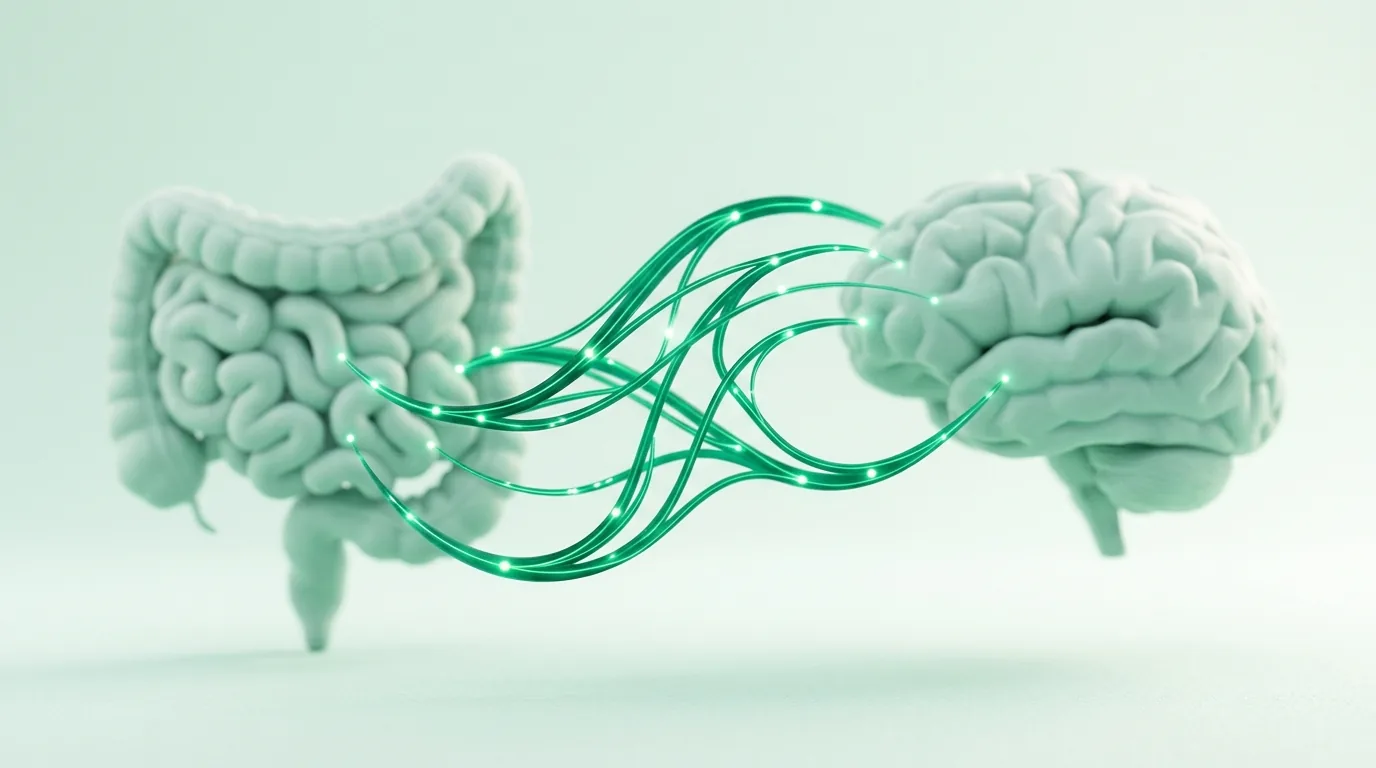
GLP-1 stands for glucagon-like peptide-1. It’s a hormone your gut releases every time you eat. Its job is to tell the rest of your body: food has arrived, act accordingly.
That message does several things at once. Your pancreas releases insulin to handle the incoming glucose. Your stomach slows down its emptying so the food is processed gradually rather than dumped into your intestine. And your brain, specifically the appetite centers in the hypothalamus, gets a clear signal that you’re fed.
Natural GLP-1 has one problem: it disappears fast. Enzymes break it down within minutes. That’s fine for its natural role, but useless as a therapy.
What the medications change
Semaglutide and tirzepatide are engineered molecules that mimic GLP-1 but resist being broken down. Instead of minutes, they stay active for about a week. That’s why these are weekly injections rather than something you take with every meal.
So the effect is essentially this: your body gets a steady, amplified “you’re fed” signal, seven days a week.
In practice, people describe three changes:
- Less hunger. Not zero hunger, just less of it. Meals get smaller because you’re satisfied sooner.
- Less food noise. This is the one nobody expects. The constant background chatter about food, whether it’s what to snack on, what’s in the fridge, or whether to order something, quiets down. For many people this is the biggest change, and researchers think it comes from GLP-1 receptors in the brain’s reward pathways, not just the gut.
- Slower digestion. Food sits in your stomach longer, which reinforces fullness. It also explains most of the side effects, which get their own side effects guide.
Tirzepatide adds a second mechanism: it also activates the GIP receptor, another gut-hormone pathway. The honest answer to “what does GIP add?” is that researchers are still debating it, but the head-to-head trial results suggest the combination produces more weight loss than GLP-1 action alone.
What the trials actually showed
Numbers from the major trials, because vague claims help nobody:
- Semaglutide 2.4 mg (Wegovy): around 15% average body weight lost over 68 weeks in the STEP 1 trial, versus about 2.4% with placebo.
- Tirzepatide 15 mg (Zepbound): around 21% average loss over 72 weeks in SURMOUNT-1.
Averages hide a lot, though. Some people lose 5%, some lose 25%. Response varies with genetics, starting point, dose tolerance, and (this part matters) what you do with food and training while on the drug. The medication reduces appetite; it doesn’t decide what you eat or whether you keep your muscle. That’s still your job, and it’s why we wrote a separate guide on protecting muscle while losing weight.
Who these medications are for
Regulators approved these drugs for chronic weight management in adults with a BMI of 30 or higher, or 27+ with at least one weight-related condition (type 2 diabetes, hypertension, sleep apnea, and so on). Semaglutide also carries a cardiovascular benefit indication. The SELECT trial showed a roughly 20% reduction in major cardiac events in people with existing heart disease.
They are not approved, and not appropriate, for someone who wants to drop four vanity kilos before summer. A responsible prescriber will screen you out in that case. If an online provider doesn’t, that tells you something about the provider. We cover how to spot the good ones in our telehealth provider guide.
The part people skip: these are long-term medications
Obesity behaves like a chronic condition. The biology that made weight come back after every diet you’ve tried doesn’t vanish because a medication suppressed it for a year. Stop the drug and appetite generally returns to baseline. Trial data shows most people regain a majority of the weight within a year of stopping. We wrote about that honestly in what happens when you stop.
That doesn’t make the drugs a failure, any more than blood pressure medication “fails” because hypertension returns when you quit. It means the decision to start is a decision about ongoing treatment, cost included, and it deserves a real conversation with a clinician.
The bottom line
GLP-1 medications work by amplifying a satiety signal your body already uses. The weight loss in trials is real and, by historical standards, remarkable. The side effects are real too, and so is the regain when you stop. They’re a tool. The most effective pharmaceutical tool obesity medicine has ever had, but still a tool, not an exit from the fundamentals.
This article is for general education, not medical advice. Talk to a licensed clinician before starting, stopping, or switching any medication.
Keep reading
Hit a Plateau on Your GLP-1? Here's What's Actually Going On
Weight loss on semaglutide or tirzepatide always levels off eventually. What a plateau means, when it's normal, and the levers that actually move it.
Basics
What Actually Happens When You Stop Taking a GLP-1
The trial data on stopping semaglutide or tirzepatide is uncomfortable but clear. Here's what to expect, and what improves your odds of keeping the results.
Safety
Whatever Happened to Compounded Semaglutide?
The $199/month vials that flooded telehealth in 2023–2024 are mostly gone. Here's why they existed, why they ended, and what to watch out for in what's left behind.