Whatever Happened to Compounded Semaglutide?
The $199/month vials that flooded telehealth in 2023–2024 are mostly gone. Here's why they existed, why they ended, and what to watch out for in what's left behind.
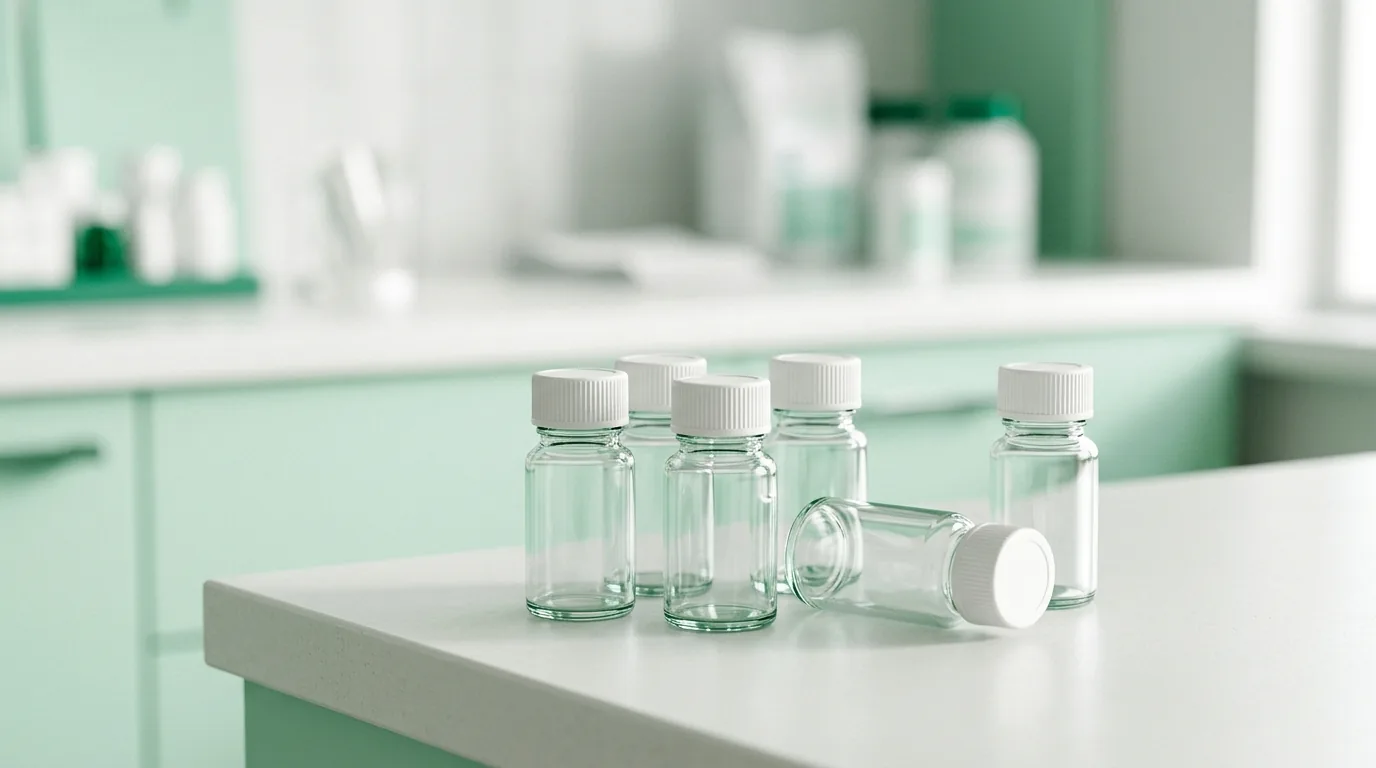
Two years ago, half the GLP-1 ads on your feed were for compounded semaglutide: vials at $199 a month from telehealth startups, a fraction of the branded price. Today those offers have largely vanished, replaced by either branded medication or something sketchier wearing the same clothes. If you’re shopping for treatment in 2026, understanding what happened here is the best scam-vaccine available.
Why compounding was ever legal
US pharmacy law includes a sensible provision: when an FDA-approved drug is officially in shortage, licensed compounding pharmacies may prepare copies so patients aren’t stranded. From 2022 through 2024, demand for semaglutide and tirzepatide so wildly outran supply that both entered the official shortage list, and compounded versions became legal to produce.
An industry bloomed around that provision almost overnight. Some of it was responsible: state-licensed pharmacies, real prescribers, pharmaceutical-grade ingredients. Some of it was not. Either way, the entire model rested on a temporary condition: the shortage.
The end of the loophole
Manufacturing capacity caught up. The FDA declared the tirzepatide shortage resolved in late 2024 and the semaglutide shortage resolved in early 2025, giving compounders deadlines shortly after to wind down mass production. Court challenges from compounding trade groups failed. By mid-2025, legitimate telehealth companies had transitioned to dispensing branded medication, helped enormously by the manufacturers finally offering direct cash-pay pricing that made the real product affordable to people without coverage.
That’s the story in one line: compounding solved an access problem that mostly no longer exists.
What’s still out there
The demand for a $199 vial didn’t disappear, and the market that serves it moved down the quality ladder:
- “Personalized” compounding. Some sellers add a vitamin or tweak a dose and claim their formulation isn’t a copy, keeping them outside the wind-down. Regulators have been openly skeptical, and so are we.
- “Research peptides.” Websites selling semaglutide “for laboratory use only” that everyone involved understands will be injected by humans. No prescriber, no pharmacy license, no quality oversight, and testing of such products has repeatedly found wrong doses and contamination.
- Offshore pharmacies and grey imports. Ranging from real foreign-market products to counterfeits, with no way for a consumer to tell which they’ve received.
- Untested next-gen compounds. Sellers riding GLP-1 branding to push molecules that have never seen a human trial.
The common thread: whatever the label says, you can no longer verify what’s in the vial. With the branded drugs, the entire chain (molecule, dose, sterility, storage) is verified for you. That verification, not the pen design, is what the extra money buys.
How to check who you’re dealing with
Three questions cut through nearly everything:
- What exactly will I receive? The only reassuring answer names an FDA-approved product: Wegovy, Zepbound, Ozempic, Mounjaro.
- Which licensed pharmacy dispenses it? Real answers include a name and a state license you can look up.
- Who prescribes, and are they licensed in my state? Our telehealth vetting guide goes deeper on this.
A legitimate operation answers all three without flinching. The other kind changes the subject to price.
If you’re still on a compounded product
No judgment here. Plenty of people started in 2023 in good faith and simply never switched. But the risk calculus has flipped: the supply you’re buying now comes from a shrinking, less-regulated corner of the market, while the genuine article costs a fraction of what it did when you started. Talk to a licensed prescriber about transitioning to the branded equivalent at your current dose. It’s a routine conversation in 2026; you won’t be their first.
This article is for general education, not medical or legal advice. Regulations and market conditions change, so verify current rules and pricing before making decisions.
Keep reading
Hit a Plateau on Your GLP-1? Here's What's Actually Going On
Weight loss on semaglutide or tirzepatide always levels off eventually. What a plateau means, when it's normal, and the levers that actually move it.
Basics
What Actually Happens When You Stop Taking a GLP-1
The trial data on stopping semaglutide or tirzepatide is uncomfortable but clear. Here's what to expect, and what improves your odds of keeping the results.
Nutrition & Training
Losing Weight on a GLP-1? Here's How to Not Lose Your Muscle With It
Up to a third of the weight lost on GLP-1 medications can be lean mass. Two boring, proven habits prevent most of it: protein targets and lifting.