Losing Weight on a GLP-1? Here's How to Not Lose Your Muscle With It
Up to a third of the weight lost on GLP-1 medications can be lean mass. Two boring, proven habits prevent most of it: protein targets and lifting.
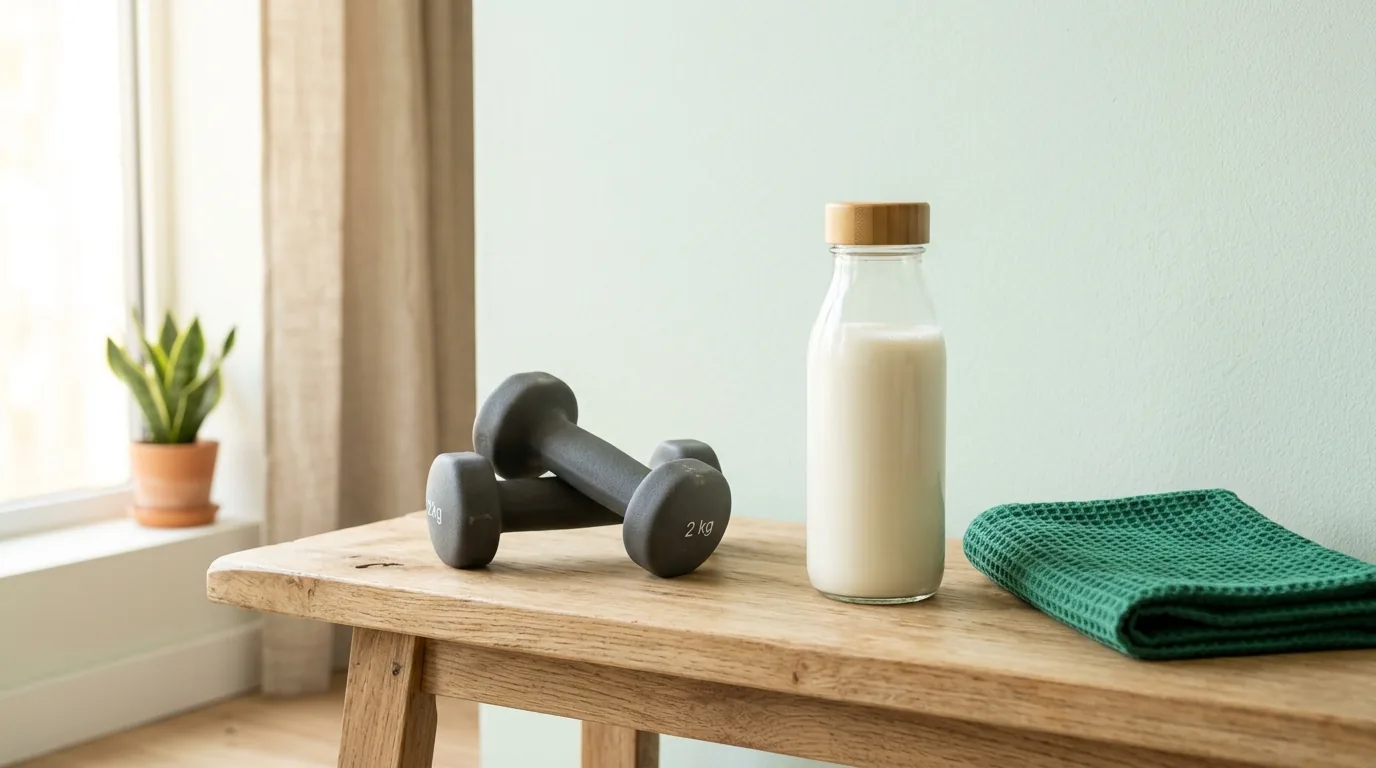
There’s a version of GLP-1 weight loss that ends badly, and it has nothing to do with side effects. You lose 20 kilos, but a big chunk of it was muscle. You end up lighter, weaker, with a slower metabolism and, if you’re over 50, measurably closer to frailty. The scale says success. Your body disagrees.
This outcome is common, predictable, and almost entirely preventable. Let’s prevent it.
The problem, quantified
In body-composition substudies of the major trials, somewhere between a quarter and 40% of total weight lost was lean mass, not fat. That ratio isn’t unique to GLP-1s, since any large, fast weight loss does this. But these drugs make losses larger and faster than diets usually achieve, and they suppress appetite so effectively that protein intake often collapses without anyone noticing.
That’s the mechanism in one sentence: you’re not hungry, so you stop eating enough protein, so your body harvests your muscle.
Muscle matters beyond aesthetics. It’s your glucose sink, your metabolic engine, your injury insurance, and past 60 it’s the difference between independence and not. Losing it to save weight is a terrible trade when you don’t have to make it.
Fix one: a protein floor, not a protein goal
The evidence-based range for preserving muscle during weight loss is roughly 1.2–1.6 grams of protein per kilogram of body weight per day, with people doing serious resistance training benefiting from the higher end. For an 85 kg person, that’s about 110–135 g of protein daily.
If you’re on a GLP-1, hitting that from three meals is hard. Your appetite simply won’t cooperate. What works in practice:
- Protein first, literally. Eat the protein portion of every meal before anything else. You’ll run out of appetite; make sure it runs out on the potatoes, not the chicken.
- Count it for two weeks. Not forever, just long enough to know what 120 g actually looks like. Most people are shocked how far off they are.
- Use shakes without shame. When whole food won’t fit, a whey or plant protein shake is 25–30 g in drinkable form. On a GLP-1, liquid protein is often the difference between hitting the floor and missing it by half.
- Spread it out. Your body uses protein better in 3–4 doses of 25–40 g than in one heroic dinner.
Fix two: give your muscle a reason to stay
Protein supplies the bricks; training supplies the order to build. During an energy deficit, your body keeps tissue it’s actively using and cannibalizes tissue it isn’t. Resistance training is how you mark muscle as “in use.”
The prescription is less intimidating than gym culture suggests:
- Two to three sessions a week of whole-body resistance work: squats or leg press, a push, a pull, a hinge, carries. Machines are fine. Home dumbbells are fine.
- Progressive and reasonably hard. The last couple of reps of a set should feel like work. Weights that feel like stretching don’t send the signal.
- Walking is great, but it’s not this. Cardio has real benefits, but it doesn’t defend muscle in a deficit. If you only have two hours a week, lift.
People who combine adequate protein with resistance training during GLP-1 treatment consistently show much better lean-mass retention in studies. The majority of weight lost comes from fat, which is the entire point.
The maintenance bonus
Here’s the underrated part: muscle is your insurance policy for later. Whether you stay on the medication for years or eventually stop, the version of you with more lean mass burns more at rest, handles glucose better, and regains less fat under the same conditions. Every kilo of muscle you defend now pays out for a decade.
A one-paragraph plan
Set a protein floor around 1.2–1.6 g/kg and track it for two weeks to calibrate. Front-load protein at every meal and keep shakes handy for low-appetite days. Lift two or three times a week, progressively, full body. Weigh in, but also watch strength numbers and how clothes fit, because they tell you what you’re losing. That’s it. Boring, proven, and the difference between ending this smaller versus ending it genuinely healthier.
This article is for general education, not medical advice. If you have kidney disease or other conditions affecting protein intake, or health issues that affect training, get individual guidance from your clinician.
Keep reading
Hit a Plateau on Your GLP-1? Here's What's Actually Going On
Weight loss on semaglutide or tirzepatide always levels off eventually. What a plateau means, when it's normal, and the levers that actually move it.
Basics
What Actually Happens When You Stop Taking a GLP-1
The trial data on stopping semaglutide or tirzepatide is uncomfortable but clear. Here's what to expect, and what improves your odds of keeping the results.
Safety
Whatever Happened to Compounded Semaglutide?
The $199/month vials that flooded telehealth in 2023–2024 are mostly gone. Here's why they existed, why they ended, and what to watch out for in what's left behind.